Alumni
IMARC Alumni
The IMARC programme started in 2019. Since then, it grew substantially and has evolved over time. We are interested to keep a strong bond to our Alumni and hear from them about their experience and ideas for improvement of their IMARC programme, it is most important for us to be able to give them the possibility to network and benefit from each other’s knowledge on different jurisdictions. Our alumni are from all over the world, so: wherever you go, you will find some fellow IMARCers!
Alumni
IMARC alumni find a job…
Approximately 20% are currently PhD candidate work in academia. Another 20% work in the private sector , 12% work for government or semi-governmental institutions. Another 20% work for NGOs or research institutes. Finally, approximately 4% do not have a career in IMARC related branches or is unknown.
If you would like to reach out to your former IMARC colleagues or get into touch with IMARC students from different years, join the LinkedIn group.
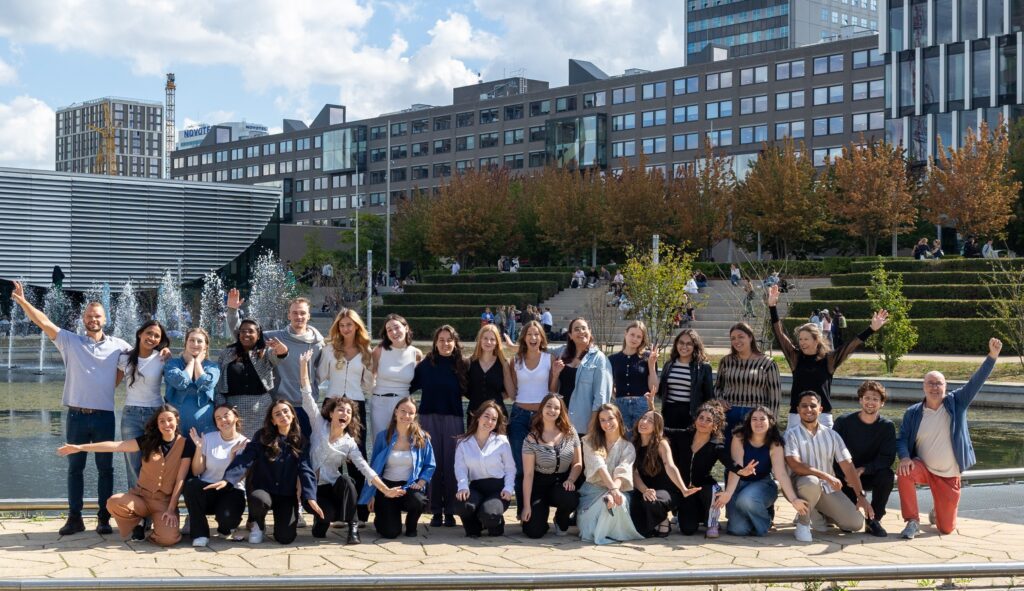
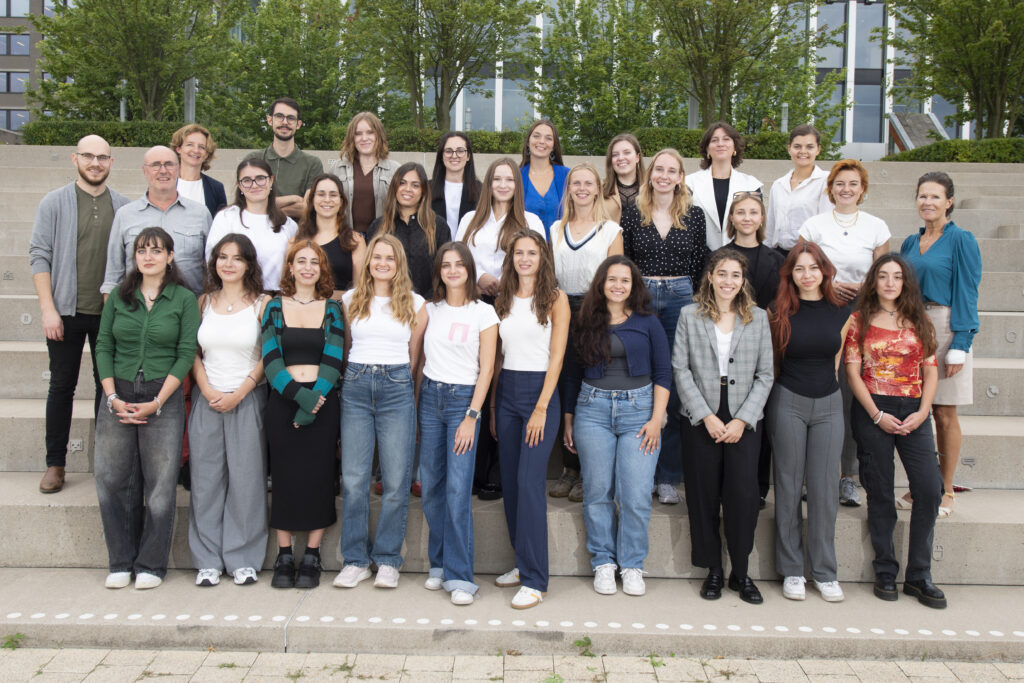
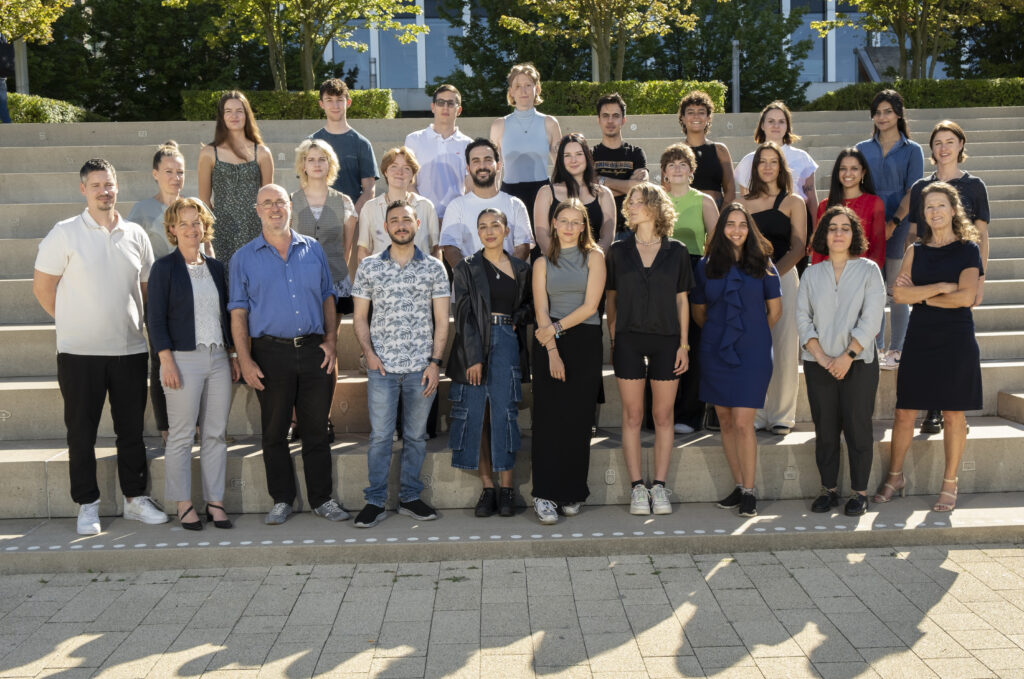
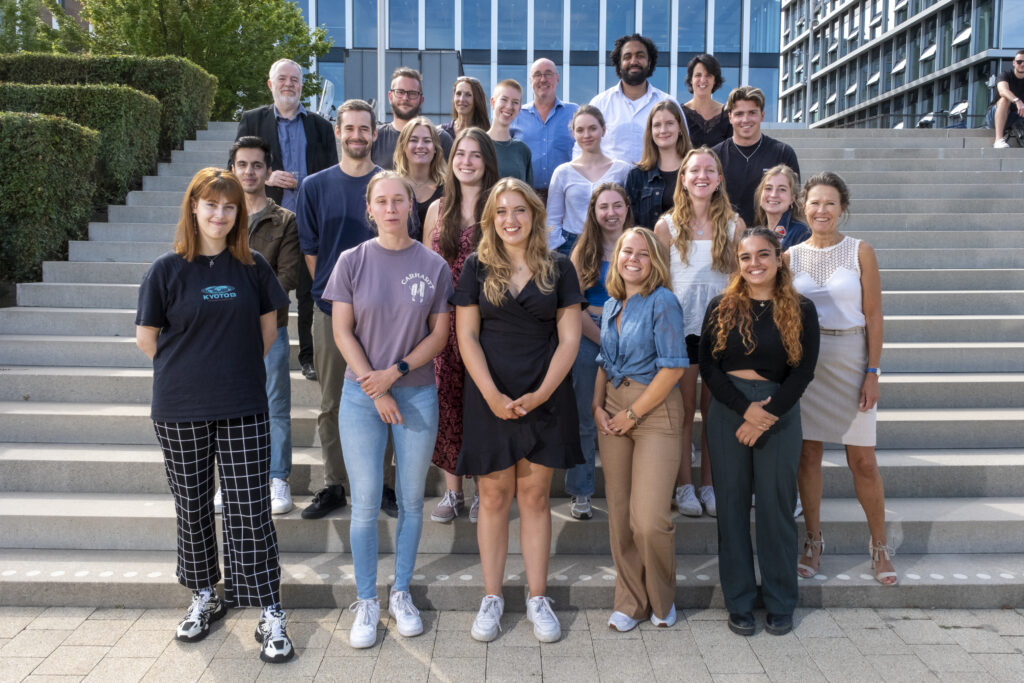
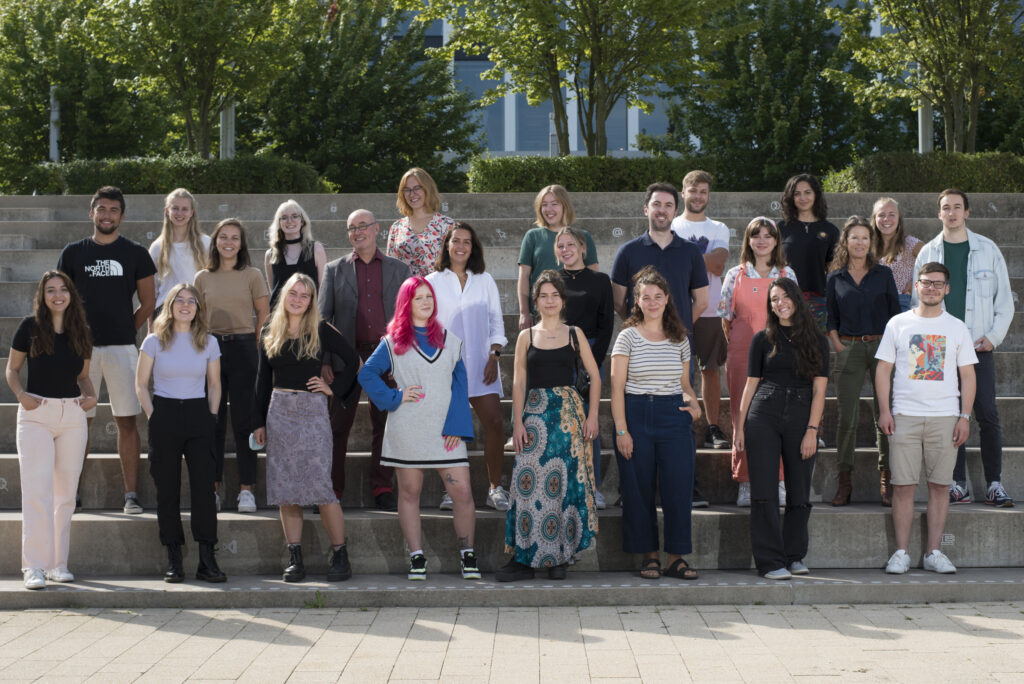
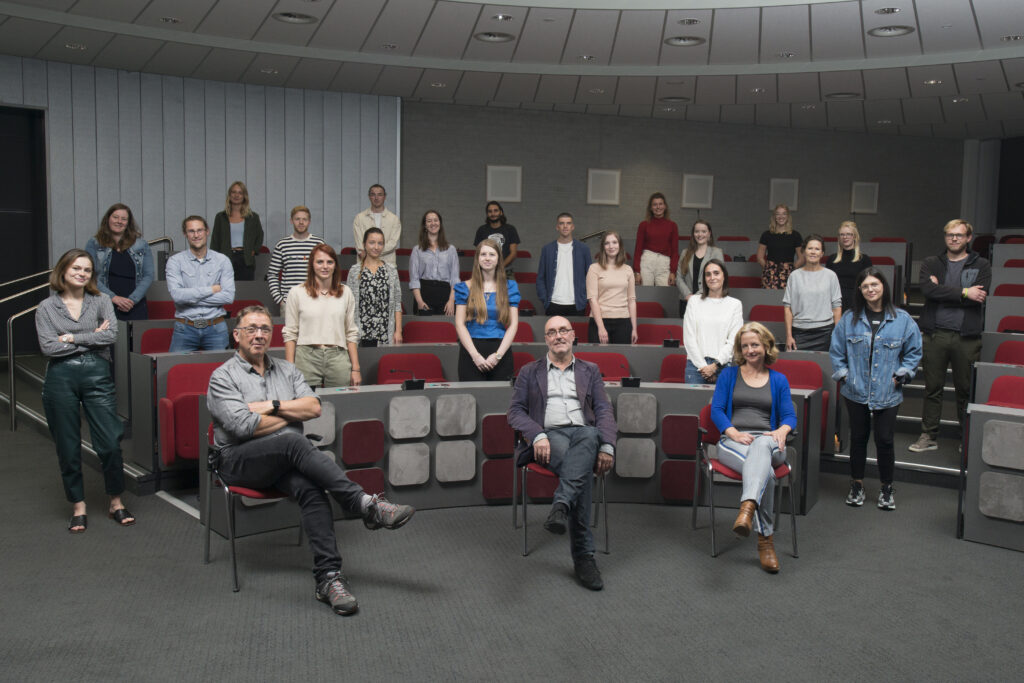
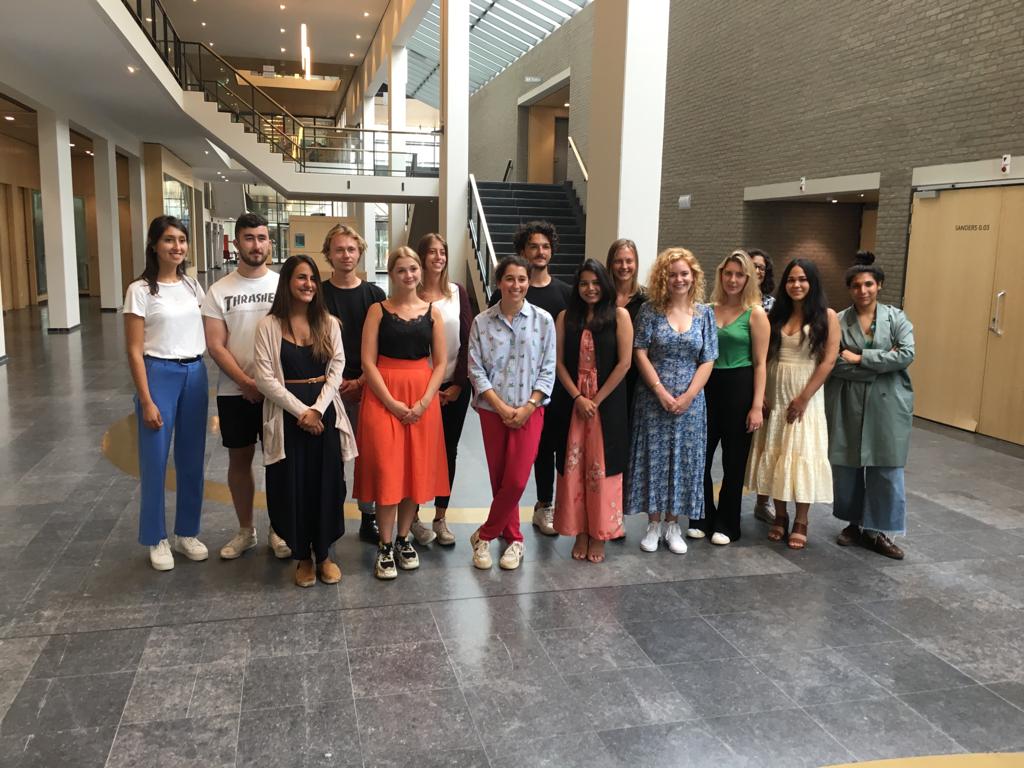
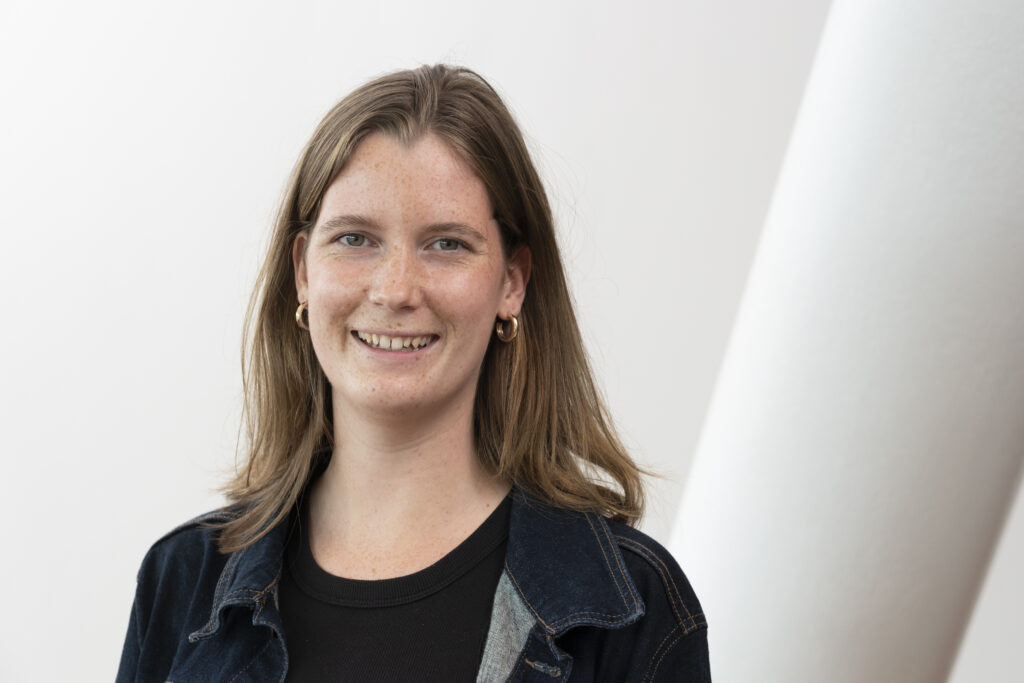
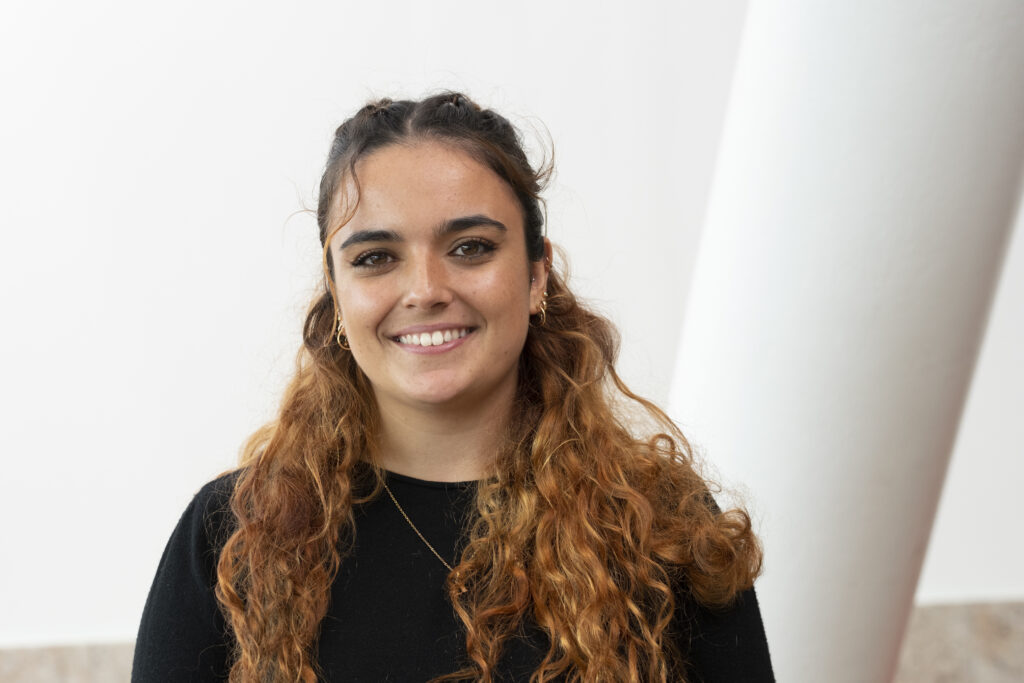
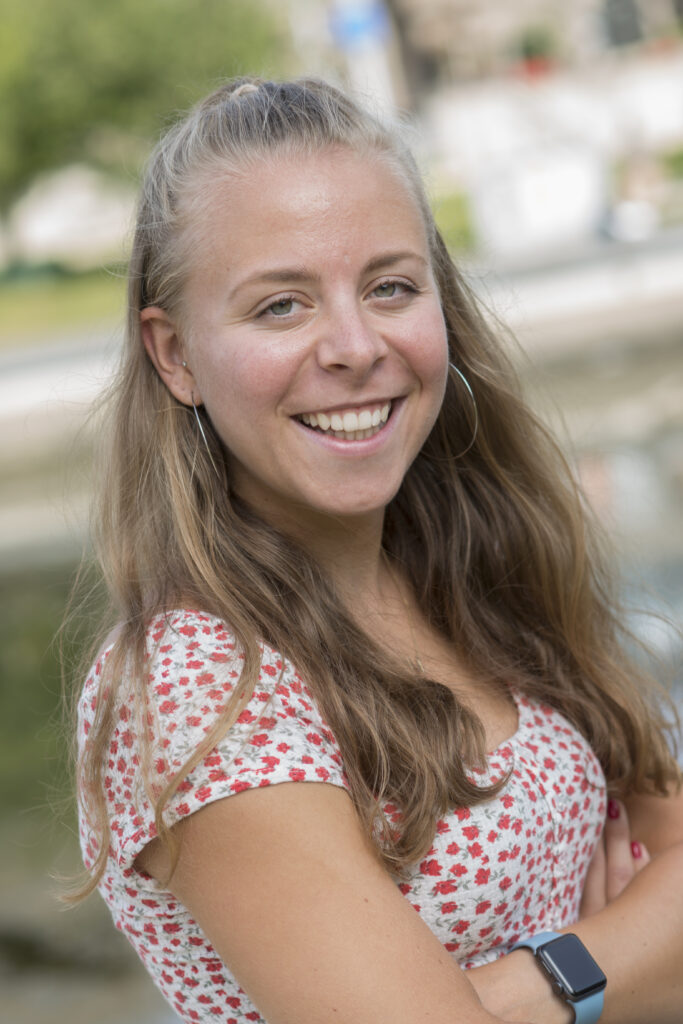
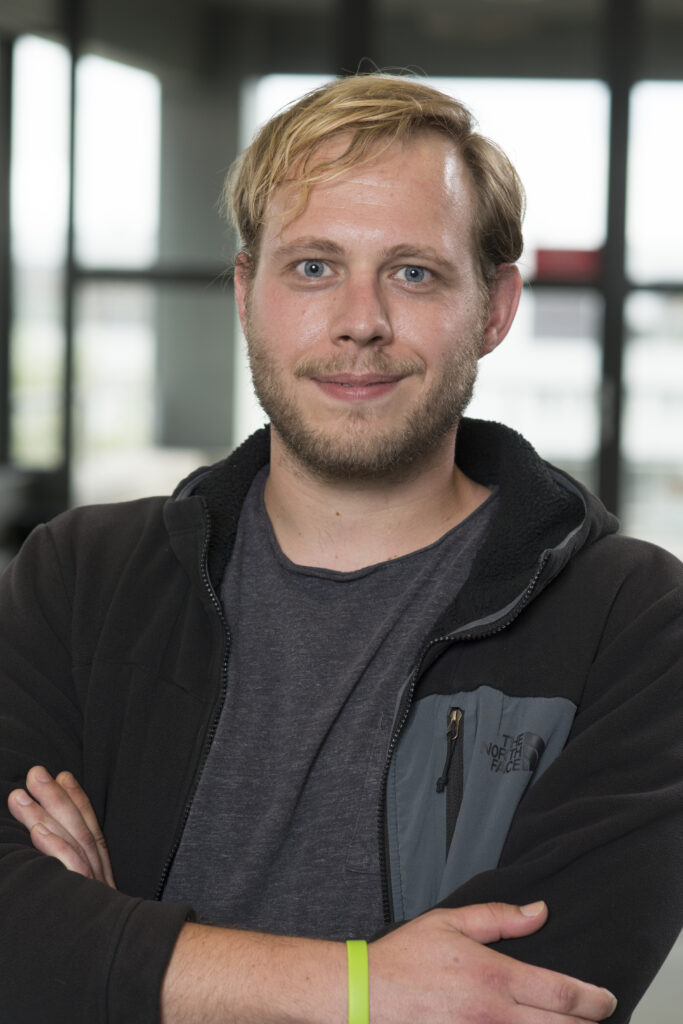
Alumni over the years






























































Frequently Asked Questions
Is the LinkedIn group open for everyone?
Only IMARC graduates are invited to join the group. Also staff of the (partner) universities are invited to join.
Tips from our alumni in finding a relevant job
- Doing voluntary work or extracurricular activities will help in getting a job.
- Internships will help meeting new people, building a network, and learning new skills. Paid traineeships/job shadowing can help in the first start of getting acquainted with the working field.
- Attend lectures, symposia, conferences while you are a student (mostly free for students).
- Integrate into young professionals’ networks, such as meet up events.
- Find out via LinkedIn about people and don’t hesitate to send them a message.
- Don’t be afraid to be overqualified. The first job is important to make contacts, to build a network. Getting your next job, it is about the people you know.
- Doing a PhD van be a big step if you are not from an academic environment originally.
- The final thesis subject is not necessarily the subject you will be an expert in. Getting a job is more about your academic (master) level, than specific experience and expertise. If you do not know yet what you want to become, pick a thesis subject you are most interested in.
- Different job titles in your search: requirements can be master lever of any kind
- Doing a traineeship for a couple of months will help in shaping your vision in what fits you best. And a traineeship, or multiple ones, can lead to a employee contract.
- First jobs may not directly be your passion. Just go for it, but do not leave your passion. Your passion is that it makes a difference.
- The IMARC programme is very strong in education in methodology. The different research methods and tools were a huge advantage for the professional work the alumni now perform.
- The gap between theoretical programme and the real world will always be there.
- Doing the master’s degree partly in the UK (university partner in UK) helps with finding a job in the UK.
- International aspects of IMARC are very relevant.
- Having an EMJM programme is very relevant for the job market.
- PhD positions in Belgium are rarely in English. You need to know the local language for local positions.
- CV: show skills, not topics.
- IMARC teaches in skills such as setting up a proper research proposal, that really helps in the work.
- Your personal writing styles are important
- PhD positions without funding are difficult. Universities may have research departments/support to find individual university funding.
- It can be that there is a knowledge cap between a future job, and the skills and knowledge learned during the programme. Additional courses may fill in these caps. E.g. in the domain of specific policy advisory knowledge. But overall, the panel is unanimous that being a generalist is actually good.
- Being a generalist is good, but in the CV: zoom in on specifics. Show your personal interest, backed up with your knowledge.
- PhD is necessary for a career in academia: in a tenure track, a PhD is needed. However, for teaching at a university, only teaching certification is needed.
- Do not become discouraged if it takes longer to find your passion/job.
- University and programmes in general could spend more effort in extracurricular courses such as writing CVs.
- Looking back, the skills and experience gained during IMARC built a nice foundation for a research career and could be interesting for any students wanting to further pursue research outside of the academic setting in a consultancy-like role and who are interested in evidence-based policy.